
Construction Industry stakeholders resolve to face industry challenges head-on in order to achieve quality, resilient and sustainable infrastructure

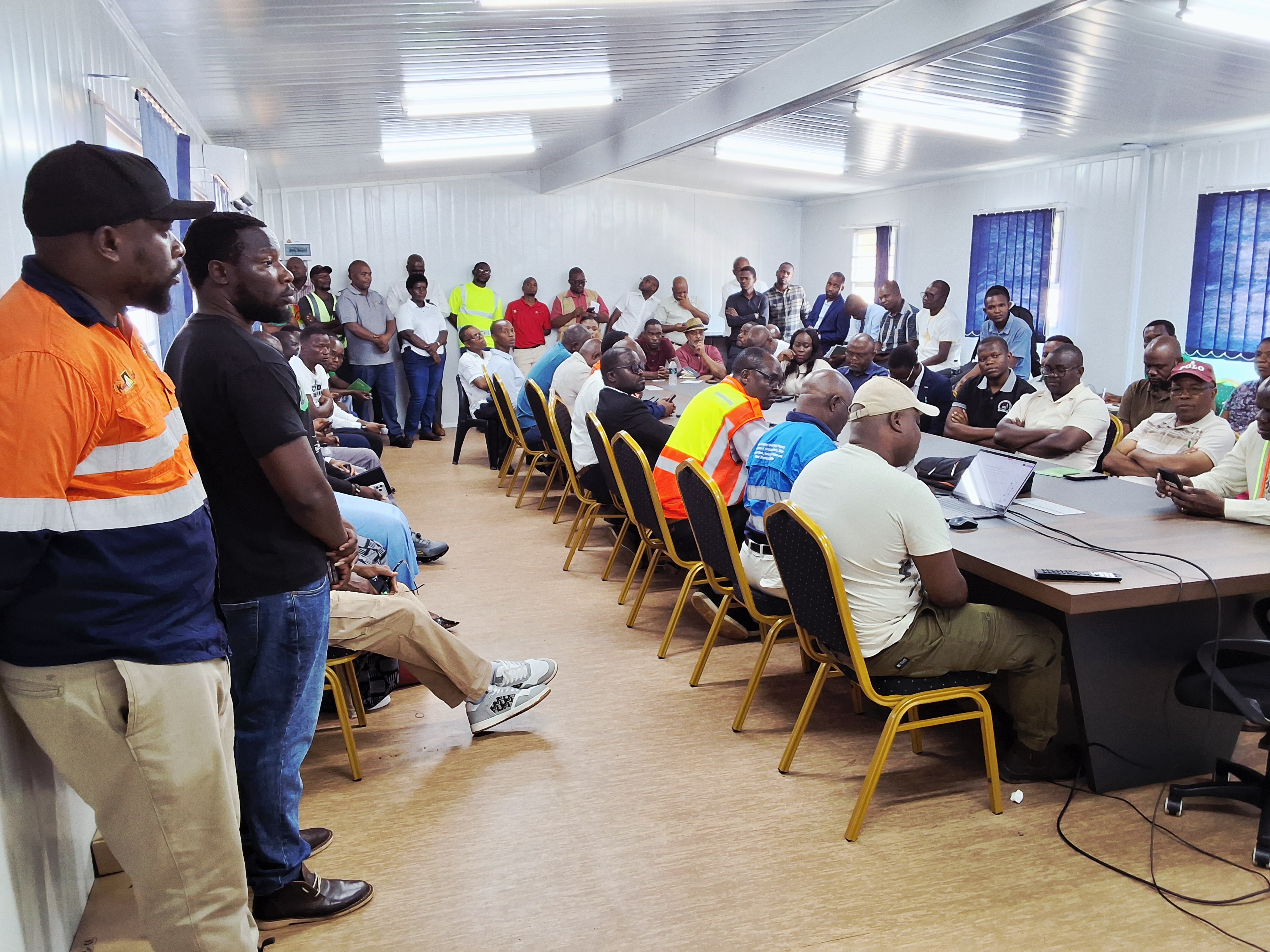
Stakeholders across Malawi’s construction industry have reaffirmed their commitment to tackling long‑standing challenges and embracing collective solutions to deliver quality, resilient and sustainable infrastructure, following the successful conclusion of the 5th Construction Sector Joint Consultative Group (JCG) Conference held from 24–25 February in Salima under the theme ‘Quality, Resilient and Sustainable Infrastructure. A shared responsibility’.
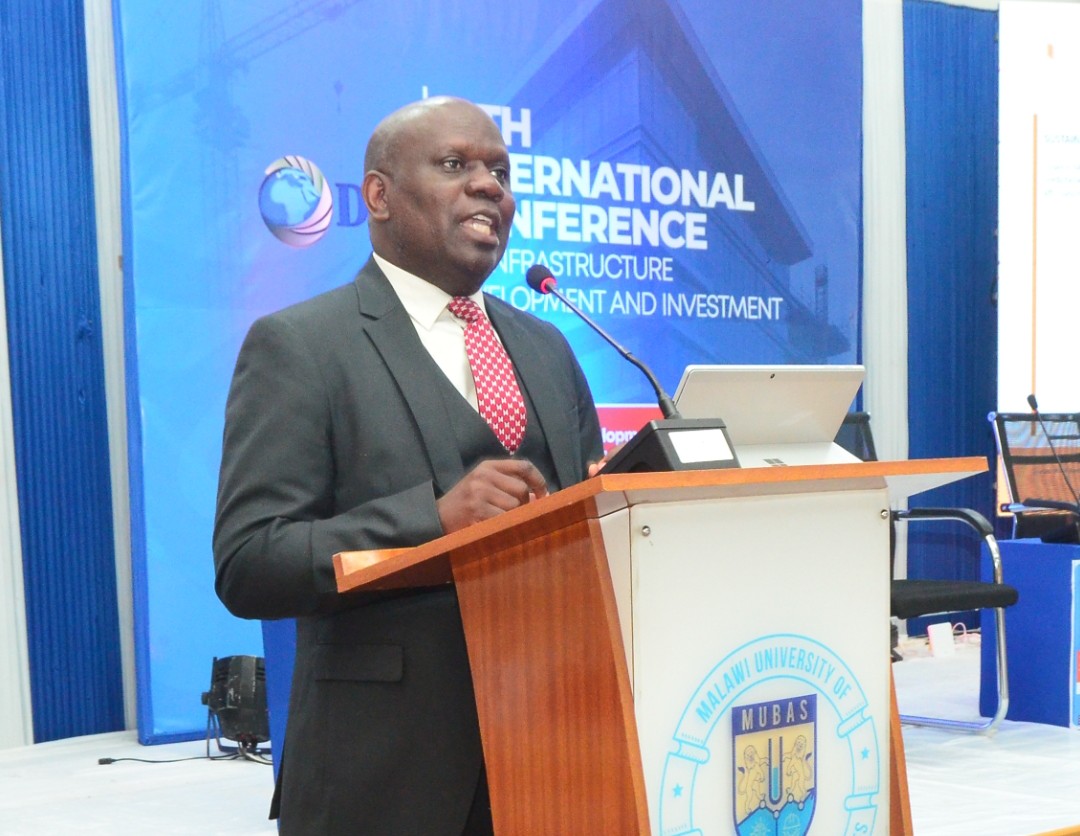
Bringing together policymakers, engineers, contractors, consultants, regulators, councils, academia, and development partners, this year’s gathering underscored a growing urgency to reform and modernize the sector. The conference was officially graced by the Minister of Transport and Public Works, Hon. Jappie Mhango, MP, who called on delegates to champion professionalism, transparency and innovation.
In his keynote address, Hon. Mhango challenged the sector to build infrastructure that serves future generations and withstands emerging pressures such as climate change and population growth.
“We must build for the future, not for today. That means quality work, durable materials, strong governance and strict adherence to professional standards,” the Minister told the delegates.
He acknowledged government’s ongoing investments in infrastructure development, but emphasized that poor workmanship, project delays, weak contract management, inefficient coordination and corruption risks continue to erode value for money. He urged industry actors to unite around reforms that will enhance transparency, competitiveness and technical capacity across all levels.
Breakaway Sessions: Deep-Dive Dialogues on Key Sector Challenges
The conference featured four thematic breakaway sessions, each examining critical constraints and proposing realistic, actionable solutions.
- Financing Opportunities and Challenges: Suggested Solutions
Participants highlighted that while demand for infrastructure continues to rise, limited fiscal space, delayed payments, weak project preparation, and low private‑sector participation constrain progress.
Proposed solutions included:
- Expanding public–private partnerships (PPPs) with clear risk‑sharing frameworks;
- Strengthening feasibility studies and project appraisal systems to attract financiers;
- Enhancing contractor access to affordable credit through improved financial records and performance guarantees;
- Ensuring predictable payment cycles to minimise contractor distress; and
- Leveraging climate and resilience financing for infrastructure upgrades.
Delegates agreed that the sector must build stronger financial discipline and diversify funding sources to support sustainable delivery.
- Enhancing Climate Resilience & Reducing Disaster Risks
Given Malawi’s vulnerability to cyclones, floods, landslides and storm damage, this session stressed the need for climate‑informed infrastructure planning and design.
Key resolutions included:
- Integrating climate risk assessments into feasibility studies and environmental impact assessments;
- Using engineering standards that anticipate extreme weather conditions;
- Prioritising nature‑based solutions such as reforestation and improved drainage;
- Strengthening early‑warning systems and community engagement; and
- Updating building codes and ensuring enforcement by regulators.
Stakeholders unanimously agreed that resilience is no longer optional but essential for safeguarding public investments.
- Revisiting Project Management in City, Municipal and District Councils
Local authorities play a pivotal role in infrastructure development, yet they often face capacity gaps in procurement, contract management, supervision and record‑keeping.
Key recommendations from this session included:
- Institutionalizing project management training for council engineers, planners and procurement staff;
- Enhancing collaboration between councils and central agencies to ensure compliance with national standards;
- Strengthening monitoring and evaluation tools to track progress and detect deviations early;
- Ensuring councils adopt digital systems for project documentation and reporting; and
- Improving coordination between political leadership and technical teams to reduce interference.
Participants stressed that empowering councils will significantly improve infrastructure quality and reduce project failures.
- Emerging Research Innovations Toward Resilient Infrastructure
Research and innovation were recognized as critical drivers of a future‑ready construction sector.
Discussions focused on:
- Promoting adoption of modern materials and technologies, including low‑carbon and recycled construction materials;
- Strengthening collaboration between universities, research institutions and industry;
- Scaling up use of digital tools such as BIM, GIS and drone‑based inspections;
- Supporting pilot projects that test innovative solutions before full-scale rollout; and
- Documenting best practices and lessons learned to inform policy and design guidelines.
Delegates agreed that Malawi must harness local and global innovations to improve efficiency, safety and resilience.
A Renewed Sense of Purpose and Collective Accountability
As the conference drew to a close, stakeholders expressed optimism, recognizing that although challenges are significant, collaboration, transparency and innovation can unlock the sector’s full potential.
The Joint Consultative Group reaffirmed its role as a vital platform for dialogue and joint planning, ensuring that government, industry and civil society move forward with a shared vision.
The overall message was clear: Malawi’s construction sector stands united in its resolve to confront challenges head‑on and to deliver infrastructure that is durable, resilient and sustainable—supporting national development and improving the lives of citizens across the country.